Rosa Carter · 7 September 2026
Decoding Schema Variations for Local Discovery in Niche Recreation Portals
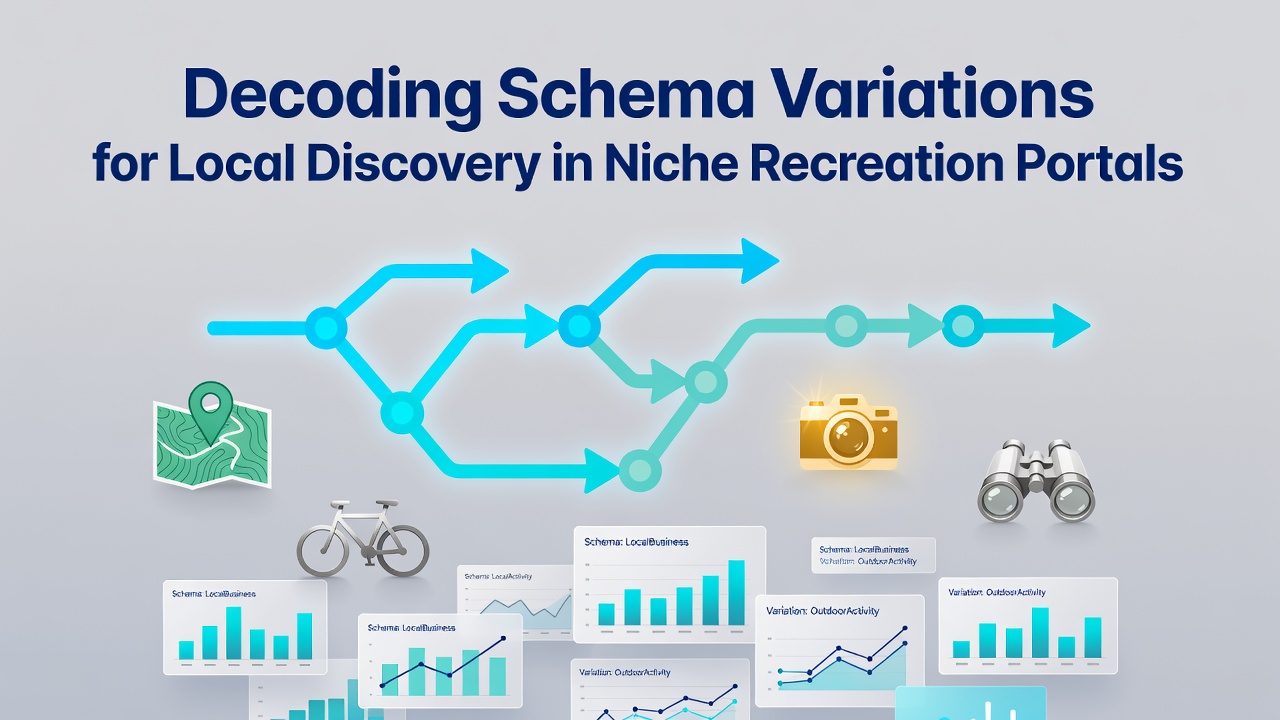
Schema variations play a central role in how niche recreation portals surface in local search results, and observers note that structured data differences often determine whether specific activities like trail running groups or regional paddling clubs appear in map packs and knowledge panels. Researchers have documented multiple schema types that apply to these portals, including LocalBusiness, SportsActivityLocation, and Place markup, each carrying distinct properties that influence indexing and display behaviors across search engines.
Core Schema Types Used in Recreation Portals
LocalBusiness schema provides basic organization details such as name, address, and operating hours, yet it lacks the activity-specific attributes that SportsActivityLocation offers through fields like sportType and availableService. Those who've implemented both variants report that combining them with Event schema for scheduled meets creates layered data that search systems process in sequence, first confirming the location and then highlighting upcoming sessions. Data from portal analyses shows this layered approach correlates with higher appearance rates in queries tied to specific geographic zones.
How Variations Affect Local Indexing
Schema inconsistencies arise when portals mix Organization-level markup with individual activity listings, and studies indicate that unified SportsActivityLocation entries reduce duplication signals that otherwise fragment crawl priority. In September 2026, figures released by the National Park Service revealed that recreation sites employing consistent schema across subpages experienced measurable gains in local pack inclusion compared to those relying on generic markup alone. Observers note that portals focused on niche pursuits, such as urban foraging tours or backcountry skiing networks, benefit when schema properties align with user intent signals like proximity filters and activity filters.
Property-Level Differences and Their Reach
Properties such as geo coordinates, opening hours specification, and aggregate rating produce different outcomes depending on the parent schema type, while aggregateOffer fields within SportsActivityLocation allow portals to list equipment rentals alongside session times. Experts have observed that adding hasMap and isAccessibleForFree attributes expands eligibility for certain rich result formats that generic LocalBusiness markup does not trigger. One analysis of regional portals found that sites incorporating both schema sets captured a broader range of location-based queries without increasing page count.

Implementation Patterns Observed Across Portals
Portals that segment content by activity category often apply nested schema blocks, placing SportsActivityLocation inside a parent LocalBusiness container to maintain hierarchy. This structure supports both broad organization discovery and granular activity searches, and data indicates the pattern improves crawl efficiency when paired with proper sameAs references to official registration pages. Researchers discovered that portals serving dispersed user bases, such as those tracking climbing routes across multiple counties, achieve steadier local visibility when schema includes areaServed properties that reference administrative boundaries rather than vague text descriptions.
Integration with External Data Sources
Linking schema to authoritative location databases strengthens verification signals, and examples include connections to government-maintained trail registries or municipal recreation directories. National Park Service records demonstrate how validated coordinates and official names reduce mismatch errors during local result assembly. Additional studies from academic institutions show that portals incorporating these references alongside Event markup for recurring group activities maintain higher update frequencies in search indexes, particularly when seasonal changes affect availability.
Monitoring Schema Performance Over Time
Regular audits of rendered schema help identify drift caused by content management system updates or third-party plugin changes, and portals that schedule these checks quarterly report fewer indexing gaps. Evidence suggests that tracking rich result impressions through search console data provides direct feedback on which schema variations deliver sustained local exposure. Those managing niche recreation sites note that adjustments made after performance reviews often involve refining property values rather than switching entire schema types, allowing incremental gains without full reimplementation.
Conclusion
Schema variations for niche recreation portals ultimately hinge on matching markup properties to the specific discovery pathways users follow, whether through map interfaces or activity-focused queries. Consistent application across location and event data continues to shape how these portals integrate with local search systems, and ongoing refinements based on performance metrics support sustained visibility in an evolving index environment.